The 2026 FIFA World Cup™, co-hosted by the United States, Canada and Mexico taking place from 11 June to 19 July 2026, presents an unprecedented marketing platform, amplified by its expanded 48-team format and North American setting. The expanded format will feature a record 104 fixtures, over 60% more fixtures than the previous edition in Qatar in 2022. Argentina are the current defending champions, whilst Brazil hold the record with 5 World Cup victories.
Below you’ll find a strategic analysis for brands evaluating sponsorship opportunities, encompassing both official FIFA partnerships and alternative activation strategies. We examine FIFA’s restructured commercial framework, the unique tri-national market landscape with its burgeoning football interest and diverse demographics (particularly the influential US Hispanic segment), and the evolving media consumption habits favoring digital and streaming platforms.
We also explore creative and compliant activation tactics for non-sponsors, including associative marketing and navigating the complexities of ambush marketing.
Finally, our work assesses the significant risks inherent in this specific World Cup, including the logistical hurdles of tri-host coordination, potential reputational challenges, the persistent threat of ambush marketing, and the uncertain geopolitical and economic climate, particularly concerning US trade policies.
Understanding the structure and regulations governing FIFA’s commercial partnerships is fundamental for any brand considering involvement with the 2026 World Cup.
FIFA maintains a tightly controlled ecosystem designed to protect the exclusivity and value offered to its official partners.
FIFA’s commercial partnership structure, updated since 2013, offers a tiered system designed to provide varying levels of rights and exclusivity, catering to diverse brand objectives and investment capabilities. This structure is now segmented into verticals for Men’s Football, Women’s Football, and FIFAe (esports/gaming), allowing for more targeted partnerships [1].
The primary tiers relevant to the 2026 Men’s World Cup are:
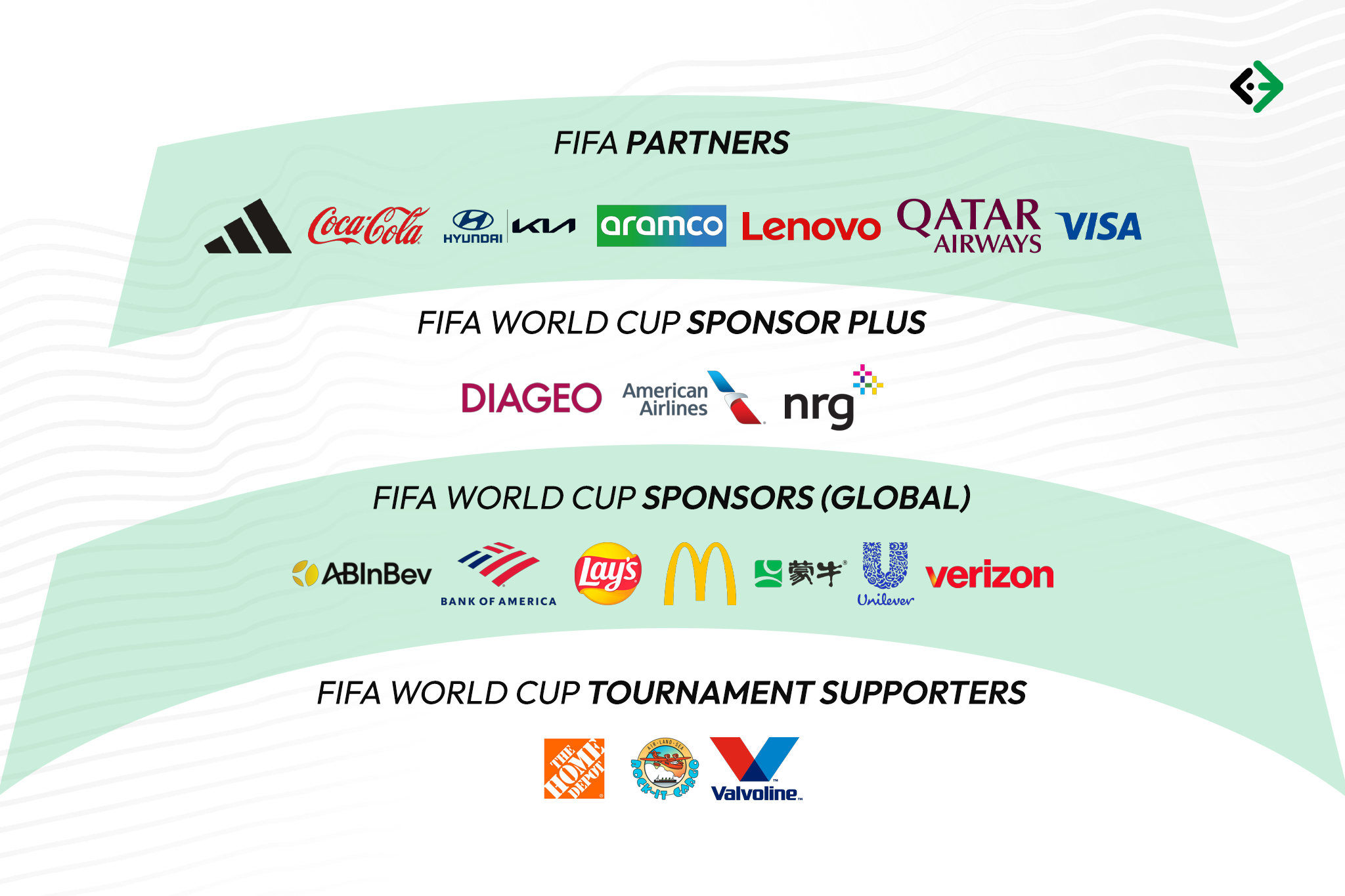
1. FIFA Partners
This represents the highest tier, granting global partner status and the most extensive worldwide commercial rights across all FIFA competitions, including the 2026 World Cup [2]. These partners (e.g., Adidas, Coca-Cola, Visa, Hyundai-Kia, Qatar Airways, Aramco, Lenovo) benefit from category exclusivity and the broadest association with the FIFA brand globally [3].
2.FIFA World Cup Sponsor Plus
A tier introduced in the new structure, granting global commercial rights specifically related to selected men’s national team FIFA competitions, explicitly including the 2026 World Cup.
3.FIFA World Cup Sponsors (Global Sponsors)
This tier provides global commercial rights specifically tied to the FIFA World Cup 2026™ tournament itself. Brands in this category (e.g., Budweiser, McDonald’s, Mengniu Dairy, Unilever, Bank of America, Frito-Lay, Verizon) gain worldwide activation rights surrounding the event. The estimated value for this tier for 2026 is reportedly substantial, potentially between $75-$100M [4].
4.FIFA World Cup Tournament Supporters (Regional Supporters)
This tier offers commercial rights limited to specific countries or regions in relation to the 2026 World Cup. This allows for more localised or geographically focused partnerships (e.g., The Home Depot, Valvoline, Rock-It-Cargo). Frito-Lay previously held this status for Qatar 2022 before upgrading to Global Sponsor for 2026.
A fundamental principle underpinning this structure is exclusivity.
FIFA grants its Commercial Affiliates (Rights Holders) exclusive use of official marks and other commercial rights within their designated categories and territories. This exclusivity is paramount; without it, the value of the sponsorship rights would be significantly diminished, jeopardising the financial contributions necessary for FIFA to stage the tournament and invest in global football development. This rigorous protection of exclusivity forms the bedrock of the commercial value offered to official sponsors and simultaneously creates a high barrier for non-affiliated brands seeking association.
It is also noteworthy that the commercial rights for the expanded 2025 FIFA Club World Cup are being sold on a standalone basis, separate from the traditional FIFA Partner packages that historically covered all competitions. This decision has reportedly caused friction with long-standing top-tier partners like Adidas and Coca-Cola [5].
While global FIFA sponsorships offer unparalleled reach, a critical, often under-emphasised, layer of opportunity exists at the host city level.
City-level engagement offers localised reach, deeper fan connection and a diversified approach to tournament involvement. For official sponsors, it complements global campaigns by enabling hyper-local relevance and direct experiential engagement. For non-official brands, it provides a “grey zone” for impactful associative marketing, offering an alternative to direct FIFA partnerships while still benefiting from the on-the-ground excitement and marketing opportunities around the tournament in the three host countries.
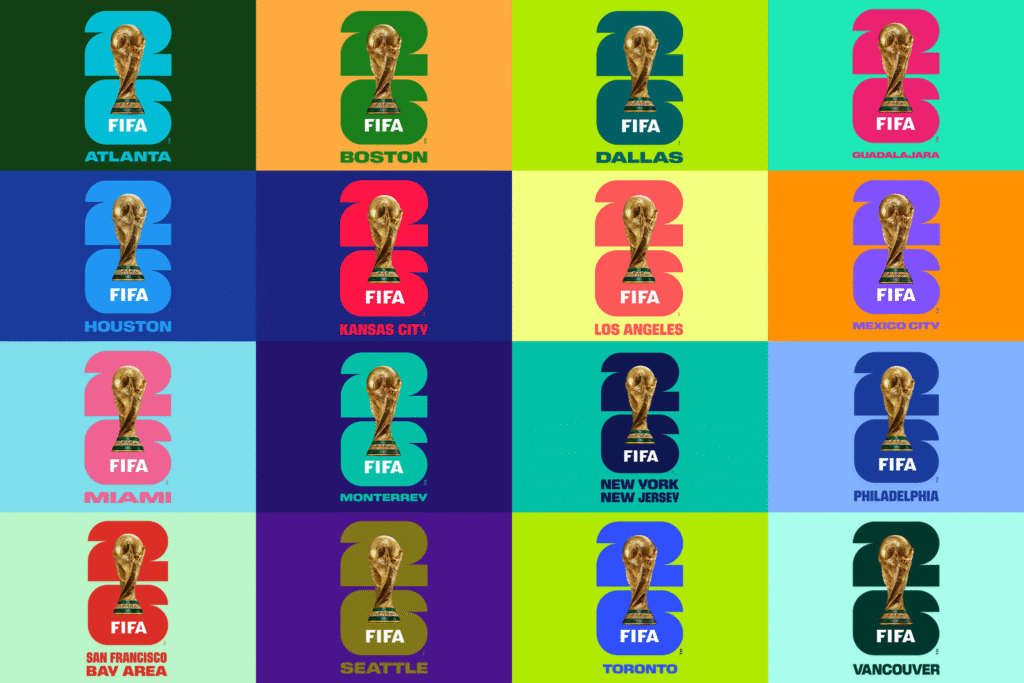
The FIFA World Cup 2026 will be hosted across 16 cities in the United States, Canada and Mexico, creating a vast network of localised opportunities for brands. Each city offers a unique cultural backdrop and fan base, allowing for highly tailored activation strategies.
Host cities are split into 3 regions: the Western Region (Vancouver, Seattle, San Francisco, Los Angeles), the Central Region (Guadalajara, Mexico City, Monterrey, Houston, Dallas, Kansas City), and the Eastern Region (Atlanta, Miami, Toronto, Boston, Philadelphia, New York/New Jersey).
Each of these cities will transform into a vibrant hub of activity, with official FIFA Fan Festivals and numerous unofficial gatherings, providing brands with multiple touchpoints to engage with the immense World Cup audience.
Brands in the “Regional Supporters” tier gain specific commercial rights within the host countries (USA, Canada, Mexico), allowing them to activate locally, engage with specific national or regional fan bases and build brand equity without needing a global FIFA partnership.
FIFA Fan Festivals serve as key activation hubs for official sponsors. These gathering spaces, introduced during the Germany 2006 FIFA World Cup, offer fans a vibrant venue to watch live matches, celebrate football and participate in interactive activities. Their popularity is well-established, with millions attending past events; for instance, over 7 million fans participated in Russia 2018, with 1.88 million in Moscow alone. Doha’s main festival drew around 1.86 million attendees in Qatar 2022 [6].
Miami’s FIFA Fan Festival at Bayfront Park exemplifies these opportunities. It is expected to draw over 600,000 attendees over 21 active days. Located in downtown Miami on the Biscayne Bay waterfront, with a capacity for 30,000 within the park and 10,000 in its amphitheatre, its mission is to transform the space into the world’s most dynamic celebration of football, uniting fans and blending the World Cup’s pulse with Miami’s unique culture and vibrancy.
Within these Fan Festivals, five distinct event areas offer diverse and integrated activation possibilities for official sponsors:
For non-official sponsors, the Fan Festival’s immense popularity creates a “proximity zone” around these official sites. While direct activation within the festival is generally reserved for official partners, non-sponsors can strategically activate nearby or leverage the general excitement and foot traffic generated by the festival. This means focusing on surrounding businesses, public spaces (outside Clean Zones) or digital campaigns that resonate with the festival’s atmosphere but meticulously avoid IP infringement. This understanding is critical for non-official brands to maximise their presence without incurring legal risks, turning the festival’s gravitational pull into an indirect yet powerful benefit.
This approach is generally considered legally safer than outright ambush marketing. Tactics include running generic football-themed advertisements, promotions using national colours (without official crests), celebrating fan passion, or using non-protected terms like “#football”.
Rule-compliant talent partnerships offer another avenue.
Brands can collaborate with individual athletes, teams, or sports personalities who are not bound by restrictive clauses preventing non-sponsor endorsements during the event period. However, this requires careful legal vetting to ensure such partnerships do not violate any existing agreements the talent may have with FIFA, their national federation, or club teams.
Content marketing and social media engagement must be IP-aware. Brands can develop compelling content around football themes like analysis, predictions, fan culture, historical moments, or player profiles, without using official FIFA marks, logos or footage. Utilising video series, podcasts, blog articles and social media narratives can capture the excitement surrounding the tournament.
Lessons from ambush marketing case studies highlight the potential impact of creative, non-official campaigns, but also the significant legal and reputational risks.
Nike, for example, has a history of successful campaigns featuring sponsored athletes and strategic OOH advertising near event venues, sometimes generating higher online buzz and perceived association than official sponsors. Paddy Power is known for provocative and humorous stunts designed to generate media attention. However, direct intrusion ambushes, like those by Bavaria Beer at previous World Cups, led to ejections and arrests, underscoring the substantial legal risks involved [7]. While these tactics can generate significant buzz, it is crucial to underscore the significant legal and reputational risks involved.
FIFA employs a comprehensive and stringent approach to protect its intellectual property (IP) and combat ambush marketing, safeguarding the investments of its official sponsors.
The 2026 World Cup unfolds across a dynamic and diverse North American market. Understanding the nuances of football’s popularity, fan demographics, media habits, and cultural landscapes in the USA, Canada, and Mexico is crucial for crafting effective sponsorship strategies.
Football’s popularity is experiencing significant growth across all three host nations, although its position relative to other major sports varies.
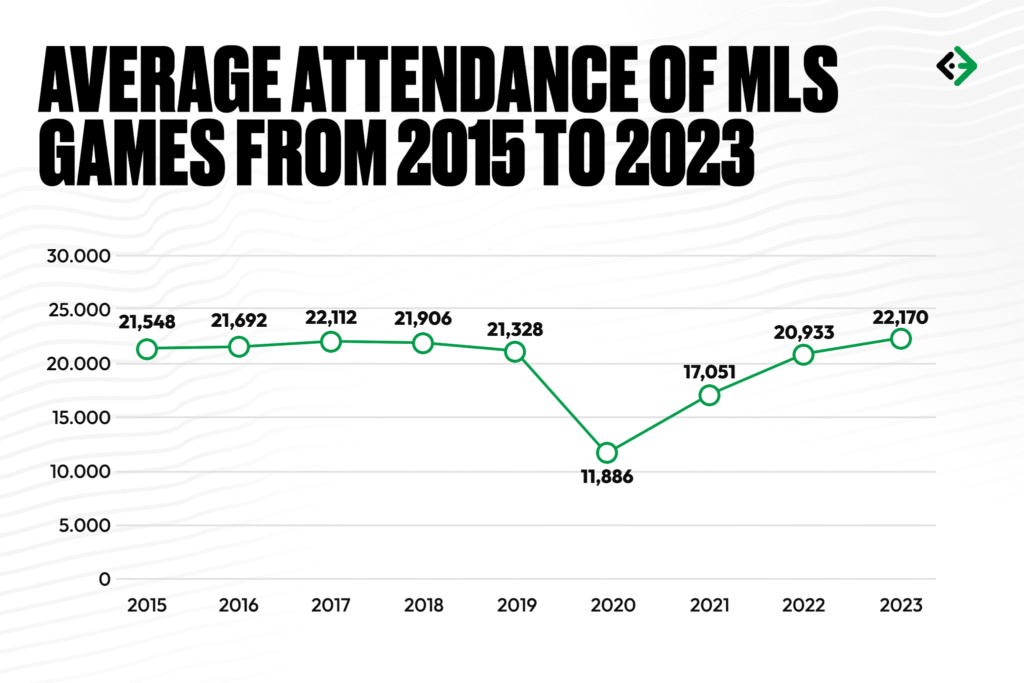
The overall picture is one of significant momentum, particularly in the US and Canada, fueled by league expansion, major event hosting, and shifting demographics. While football is growing rapidly, especially driven by younger and more diverse population segments, it hasn’t yet reached the cultural saturation of American football in the US. This presents both a substantial growth opportunity for brands and underscores the need for nuanced strategies that acknowledge football’s current position within the broader North American sports hierarchy.
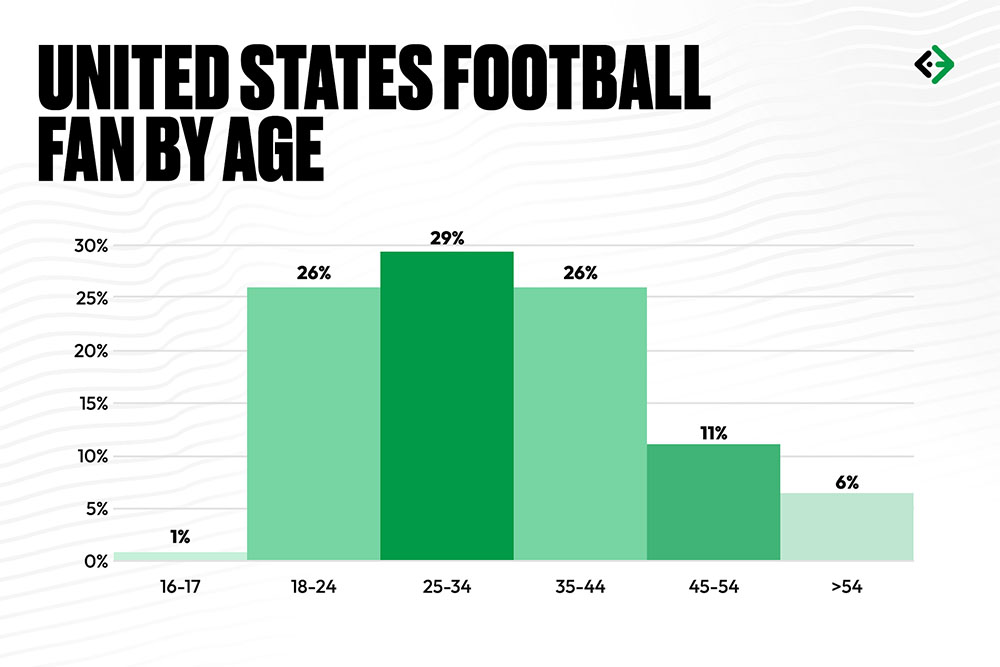
The North American football fan base is increasingly diverse and dynamic, moving beyond traditional stereotypes. Effective targeting requires understanding specific segments. The US is the largest market of the three and is a crucial fan base to target effectively.
Mexican football enthusiasts constitute a significant segment of the national populace, exhibiting substantial zeal and distinctive behavioural patterns.
While ice hockey traditionally dominates the Canadian sporting sphere, football’s popularity is experiencing rapid growth, particularly among younger and diverse demographic groups.
– It represented the most common sport among the Arab populace (40%) and the second most common among the Black populace (31%) in 2023.
– Immigrant populations exhibit higher football participation rates.
– Major international events drive substantial viewership. The Canadian women’s team’s 2021 Olympic gold medal victory attracted nearly 2.3 million Canadians aged two and older. The men’s team’s qualification for the 2022 FIFA World Cup, their first appearance in 36 years, garnered 4.4 million viewers for their match against Croatia [28].
– The 2024 Copa América semi-final against Argentina attracted an average audience of 2.8 million viewers, establishing a record for Copa América viewership in Canada. The UEFA Euro 2024 tournament reached 15 million unique Canadian viewers [29].
– National team competitions elicit heightened viewership due to their alignment with national pride.
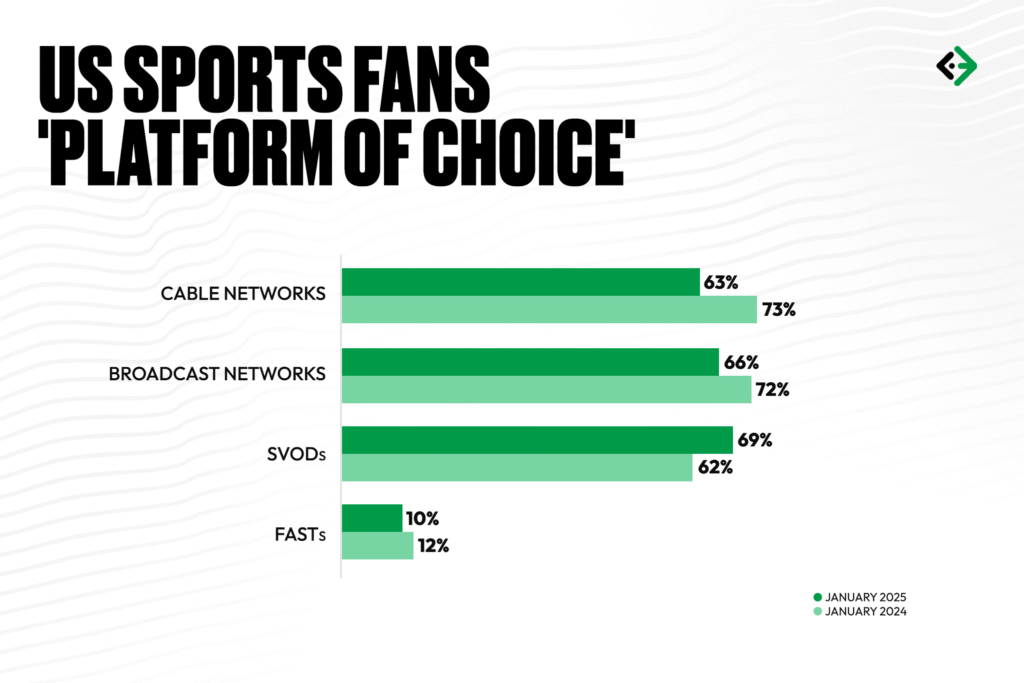
The way North American fans consume sports media is undergoing a significant transformation, driven by digital technologies and shifting preferences, particularly among younger demographics.
This complex and fragmented media environment necessitates an omnichannel strategy for sponsors. Achieving broad reach requires leveraging traditional broadcast for major moments, while deep engagement, particularly with younger and Hispanic audiences, demands sophisticated use of streaming platforms, social media, and digital content tailored to specific platform behaviors and audience preferences.
Activating a sponsorship across the USA, Canada, and Mexico requires navigating distinct cultural landscapes. A one-size-fits-all “North American” strategy will likely prove ineffective and potentially detrimental.
Successfully navigating this tri-national landscape demands significant investment in market research, cultural intelligence, and localised execution. Campaigns must be tailored to reflect the unique values, preferences, languages, and social dynamics of each host country and key demographic segments within them.
Official FIFA sponsors invest substantial resources for exclusive rights and association with the World Cup.
Translating this investment into tangible returns requires strategic activation that goes far beyond simple logo placement. Successful sponsors leverage the global platform to build brand equity, engage fans deeply, and drive business objectives.
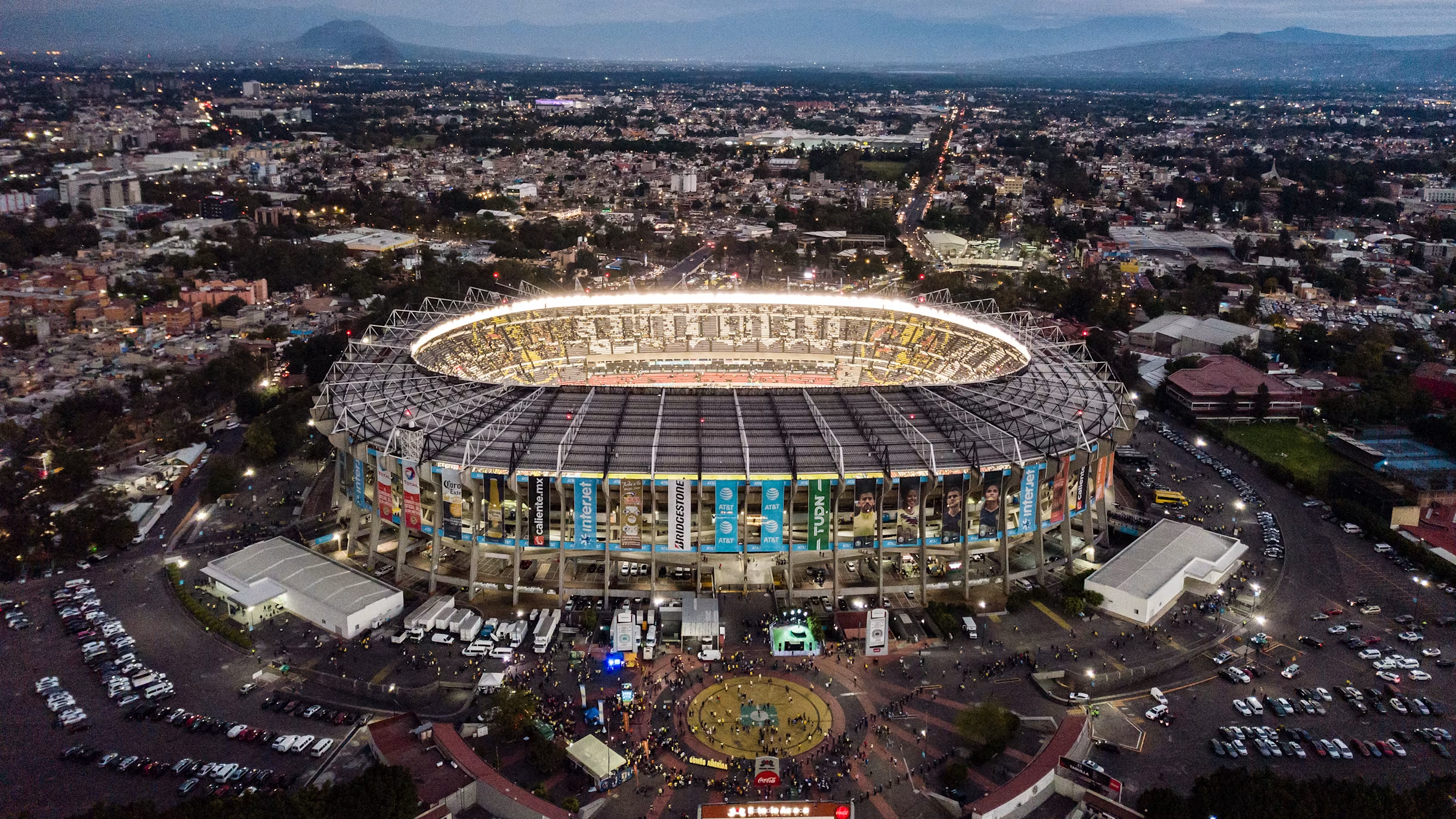
Effective sponsorship begins with a strong strategic alignment between the brand and the event. The World Cup offers a unique global stage, reaching billions and evoking strong emotions, which sponsors aim to transfer to their brands [39].
Official sponsors gain preferential access to the World Cup’s massive media footprint but maximising this requires integrated digital strategies.
Analysing past successful campaigns provides valuable insights:

These examples demonstrate that the most impactful official sponsorships are not passive investments. They involve creating integrated, multi-channel campaigns that leverage the exclusivity and global reach of the FIFA World Cup. Successful strategies often combine star power, technological innovation, direct fan engagement (both physical and digital), and increasingly, alignment with broader societal themes like sustainability or social responsibility. Furthermore, the longevity of partnerships enjoyed by brands like Coca-Cola, Adidas, and Visa allows them to build significant brand equity and refine their activation approaches over successive tournaments, creating a deeper, more resonant association with the event in the minds of fans. This accumulated advantage means that newer or shorter-term official sponsors must deploy exceptionally creative, well-funded, and strategically targeted activations to achieve comparable cut-through and impact. Simply acquiring the official rights is insufficient; maximising ROI demands sophisticated and sustained activation.
For brands not investing in official FIFA partnerships, the World Cup period still offers opportunities to connect with the massive global audience, albeit with significant legal and strategic constraints.
Navigating this space requires creativity, agility, and a clear understanding of the rules.
Non-sponsor activities exist on a spectrum, ranging from legitimate thematic marketing to legally perilous attempts at unauthorised association.
The distinction between legitimate associative marketing and prohibited ambush marketing can be blurry, particularly with highly creative campaigns or within jurisdictions like the host countries where specific anti-association laws may be in effect [54]. Brands must therefore clearly define their strategic intent (associative vs. ambush) and undertake rigorous legal reviews, especially for campaigns targeting audiences in the USA, Canada, or Mexico, to fully understand the potential legal and reputational consequences. Associative marketing offers a lower-risk path, while ambush marketing presents the possibility of greater impact but carries substantial risks.
Non-sponsors can employ various creative tactics to engage fans during the World Cup period, focusing on activities outside FIFA’s direct control:

The most effective non-sponsor activations often rely on agility and creativity, tapping into the authentic passion of fans surrounding the event, rather than attempting to directly replicate the presence of official sponsors. Social media, content marketing, and localised experiential events are key avenues for achieving this connection. Partnering with individual athletes can also be impactful but demands careful legal scrutiny regarding contractual obligations and event-specific rules. Non-sponsors should prioritise strategies that build genuine connections through engaging content and experiences, while meticulously vetting all campaigns for IP compliance and adherence to local regulations.
Whether pursuing an official partnership or activating as a non-sponsor, success hinges on a well-defined strategy encompassing precise audience targeting, rigorous measurement, and innovative execution.
Moving beyond a generic “football fan” profile is essential for maximising impact and ROI. Deeper audience segmentation allows for tailored messaging and activations that resonate more effectively.
Effective segmentation utilises multiple dimensions:
– Demographics: Age (with a significant youth component in football’s growth), gender (acknowledging the rise of women’s sport fandom), location (crucial for local activations in host cities, and considering rural/urban differences [58]), ethnicity (especially the diverse US Hispanic market [59]).
– Psychographics: Understanding lifestyles, values, interests, attitudes, and motivations (the “why” behind fandom) provides deeper insights than demographics alone.
– Behavioral: Segmenting based on engagement levels (e.g., avid vs. casual fans [60]), purchase history (merchandise, tickets), media consumption patterns (streaming vs. linear, social platform usage), and frequency of participation/viewing.
– Loyalty: Targeting based on allegiance to specific teams, leagues, or even existing brand loyalty.
– Socio-economic Status: Recognising potential barriers or differing priorities based on income and education levels.
Based on the market analysis, several segments warrant particular attention:
– US Hispanic Fans: Large, passionate, young, digitally savvy, highly loyal to sponsors, and possessing significant purchasing power. Requires culturally nuanced approaches.
– Gen Z / Millennials: Driving football’s growth, heavy digital/social users, value experiences and authenticity, influenced by gaming and online trends.
– “New Arrival” Fans: A rapidly growing and diverse segment in the US, potentially reached through non-traditional channels like gaming and general sports interest.
– Women’s Football Fans: A distinct and fast-growing audience with high engagement, offering unique partnership opportunities aligned with FIFA’s dedicated vertical.
– Host City Residents/Visitors: Geographic targeting for localised activations, experiential events, and OOH campaigns in the 16 host cities across the US, Canada, and Mexico.

To cut through the clutter and maximise engagement, brands should explore innovative activation tactics beyond traditional methods.
– Gamification: Incorporating game mechanics like points, leaderboards, and rewards into activations can boost participation and create a sense of community. Examples include prediction games, interactive challenges, trivia, or app-based scavenger hunts.
– Exclusive Content: Offering behind-the-scenes access, player Q&As, unique highlights, or documentary-style content caters to fan demand for deeper narratives.
– Interactive Social Media: Utilising polls, Q&As, real-time reactions, hashtag campaigns, and user-generated content contests drives conversation and amplifies reach.
– NFTs and Digital Collectibles: Exploring non-fungible tokens for unique memorabilia or access experiences, as pioneered by Visa.
The future of sponsorship activation lies in leveraging technology not merely as a gimmick, but as a tool to create more personalised, immersive, engaging, and measurable interactions. Brands that successfully weave technology with authentic storytelling and purpose-driven initiatives (like ESG or community focus) are best positioned to capture attention, build loyalty, and demonstrate value in the evolving sports marketing landscape.
Whether pursuing an official partnership or activating as a non-sponsor, success hinges on a well-defined strategy encompassing precise audience targeting, rigorous measurement, and innovative execution.
Hosting the World Cup across three large nations for the first time introduces significant operational challenges far exceeding those of a single-host tournament.

The sheer scale and multi-national nature of the 2026 World Cup amplify logistical and security risks significantly. Sponsors must anticipate potential disruptions to their own operations, including personnel travel, freight movement, and activation timelines. Developing robust contingency plans and maintaining close communication with FIFA and local organising bodies will be crucial for navigating these complexities. Flexibility and adaptability in activation strategies may be necessary to overcome unforeseen hurdles.
The sheer scale and multi-national nature of the 2026 World Cup amplify logistical and security risks significantly. Sponsors must anticipate potential disruptions to their own operations, including personnel travel, freight movement, and activation timelines. Developing robust contingency plans and maintaining close communication with FIFA and local organising bodies will be crucial for navigating these complexities. Flexibility and adaptability in activation strategies may be necessary to overcome unforeseen hurdles.
Association with a mega-event like the World Cup inevitably exposes sponsors to potential reputational risks stemming from various sources.
– Political Tensions: Strained relations between the co-hosts (USA, Canada, Mexico), particularly concerning trade or border policies, could create negative sentiment or disruptions.
– Human Rights/Labor Issues: Lessons from Qatar 2022 highlight the potential for scrutiny regarding labor practices in construction or event operations [71].
– Environmental Impact: Mega-events face increasing pressure regarding their carbon footprint and sustainability practices [72].
– Governance/Corruption: Past scandals involving FIFA itself demonstrate the risk associated with the rights holder’s own conduct.
– Safety/Security Failures: Major incidents at event sites could lead to severe reputational fallout.
– Due Diligence: Thoroughly vet potential partners (rights holders, athletes, agencies) for ethical standards and alignment with brand values.
– Contractual Protections: Include robust clauses, such as morality clauses, in sponsorship agreements that allow for termination or penalties in case of misconduct or reputational damage [74].
– Proactive Assessment: Utilise risk assessment tools or scorecards (e.g., evaluating Life Safety, Social Equity, Sustainability protocols of partners).
– Crisis Planning: Develop pre-approved communication strategies and action plans for various potential negative scenarios.
– Values Alignment: Ensure sponsorship activities genuinely reflect the brand’s core values.
For the 2026 World Cup, reputational risk management must extend beyond typical concerns about athlete behavior. The unique tri-host political dynamics, heightened ESG scrutiny, and potential for large-scale safety or security issues demand a broader and more proactive approach from sponsors. Thorough due diligence, strong contractual safeguards, authentic ESG integration, and comprehensive crisis preparedness are essential.
Despite FIFA’s stringent protective measures, ambush marketing remains a persistent threat to the exclusivity and value enjoyed by official sponsors.
Ambush marketing represents an ongoing challenge that requires constant vigilance from both FIFA and its official sponsors. While FIFA takes the lead on enforcement, official sponsors should also monitor the market for infringing activities within their categories and be prepared to work with FIFA to address threats that undermine their investment. The creativity of ambushers means that purely reactive measures may be insufficient; proactive communication emphasising the brand’s official status and unique activations can help reinforce the legitimate association in consumers’ minds.
The broader geopolitical and economic environment, particularly involving the host nations, introduces significant uncertainties for sponsors activating around the 2026 World Cup.
– Increased Costs: Tariffs could raise costs for sponsors importing goods for activations, merchandise, or operational purposes across borders [75]. Steel and aluminum tariffs could impact stadium construction/renovation costs.
– Supply Chain Disruptions: Trade disputes could disrupt supply chains needed for event operations or sponsor activities.
– Impact on Sponsor Sentiment/Investment: An aggressive trade stance could deter some international brands from investing heavily in US-based activations or sponsorships if market access becomes prohibitive or consumer sentiment turns negative (“Americanophobia”) [76].
– Fan Travel and Spending: Trade tensions and stricter border controls could potentially deter international fans from traveling or reduce their spending power.
– Uncertainty: The fluctuating nature of tariff policies creates uncertainty for long-term planning. While some speculate exceptions might be made for the World Cup, this is not guaranteed.

Compared to previous World Cups, the 2026 event carries a heightened level of geopolitical and economic risk due to the tri-host arrangement intersecting with a potentially volatile US policy environment. Sponsors must closely monitor trade developments, international relations, and economic indicators, factoring potential cost increases, logistical hurdles, and shifts in consumer/fan sentiment into their planning and risk mitigation strategies. The potential impact on ROI is significant, requiring careful consideration and contingency planning [78].
The FIFA World Cup 2026™ in North America represents a landmark event, offering brands an unparalleled platform due to its expanded format, passionate host markets, and immense global reach. Football’s rising popularity, particularly among young and diverse demographics, coupled with evolving digital media consumption habits, creates fertile ground for innovative and impactful sponsorship activations.
However, the unique tri-host structure introduces unprecedented logistical, security, and coordination challenges. Furthermore, potential reputational risks associated with the event, hosts, or participants, the persistent threat of sophisticated ambush marketing, and significant geopolitical and economic uncertainties (especially concerning US trade policies and international relations) demand rigorous assessment and mitigation planning.
To navigate this complex landscape successfully, brands should consider the following strategic recommendations:
1) Prioritise Deep Audience Understanding: Move beyond generic fan profiles. Invest in research and data analytics to identify and understand high-value audience segments (e.g., US Hispanics, Gen Z, New Arrivals, Women’s Football fans, host city residents) based on demographics, psychographics, behaviors, and cultural nuances specific to each host nation. Tailor messaging and activation strategies accordingly.
2) Define Clear Objectives and KPIs: Establish SMART goals for sponsorship activation, whether as an official partner or a non-sponsor. Develop a comprehensive measurement framework encompassing KPIs for brand awareness/perception, audience engagement, and tangible business impact (ROI/ROO). Allocate budget specifically for measurement and track performance across the marketing funnel (pre-, during-, post-event).
3) Embrace Innovation and Integration (Official Sponsors): Official sponsors should leverage their exclusive rights to create integrated, multi-channel campaigns. Go beyond logo visibility by incorporating cutting-edge creative approaches like immersive technologies (AR/VR), data-driven personalisation, unique digital experiences (gamification, exclusive content), and authentic ESG or community-focused initiatives that resonate with modern consumer values.
4) Focus on Creativity and Compliance (Non-Sponsors): Brands without official rights should prioritise creative associative marketing strategies that tap into fan passion and event themes without infringing FIFA’s IP. Focus on localised activations outside restricted zones, rule-compliant talent partnerships, engaging content marketing, and savvy social media engagement using generic hashtags and real-time relevance. Rigorous legal review is essential to mitigate ambush marketing risks.
5) Implement Robust Risk Management: Conduct thorough due diligence on all partners (FIFA, agencies, talent). Incorporate strong contractual protections (e.g., morality clauses). Develop proactive risk mitigation plans for logistical disruptions (especially cross-border), potential reputational crises (event-related, political, ESG), and ambush marketing threats. Closely monitor the geopolitical and economic climate, particularly US trade policies, and build contingency into budgets and plans.
6) Adopt a “Glocal” Activation Strategy: Recognise the distinct cultural and market landscapes of the USA, Canada, and Mexico. Develop a strategy that maintains global brand consistency while tailoring execution, messaging, and partnerships to resonate authentically within each host country and key local segments.

The 2026 FIFA World Cup™ offers a generational marketing opportunity. Success will require strategic foresight, deep audience insight, creative bravery tempered by legal diligence, robust measurement, and proactive risk management tailored to the unique complexities of this tri-national mega-event.
| [1] | “FIFA launches new commercial partnership structure including dedicated programs for women’s football and esports,” [Online]. Available: https://inside.fifa.com/womens-football/media-releases/fifa-launches-new-commercial-partnership-structure-including-dedicated-programs-for-womens-football. [Accessed May 2025]. |
| [2] | “FIFA Intellectual Property Guidelines,” [Online]. Available: https://www.fifadigitalarchive.com/welcome_old/markrequest/Common/documents/FIFA_World_Cup_26tm_IP_Guidelines_English_version_2_0_June_2024.pdf. [Accessed May 2025]. |
| [3] | “Partners – Inside FIFA,” [Online]. Available: https://inside.fifa.com/tournament-organisation/partners. [Accessed May 2025]. |
| [4] | “FIFA signs Frito-Lay as sponsor for 2026, 2027 World Cups – Sports Business Journal,” [Online]. Available: https://www.sportsbusinessjournal.com/Articles/2024/09/12/fifa-lays-world-cup-sponsor/. [Accessed May 2025]. |
| [5] | “EXCLUSIVE: AB InBev poised to sponsor FIFA Club World Cup,” [Online]. Available: https://www.sportbusiness.com/news/exclusive-ab-inbev-poised-to-sponsor-fifa-club-world-cup | SportBusiness. [Accessed May 2025]. |
| [6] | “FIFA Fan Festival Strategy,” [Online]. Available: https://inside.fifa.com/tournament-organisation/fifa-fan-festival/strategy. [Accessed May 2025]. |
| [7] | “Bavaria Beer Ambush, Play the Game,” [Online]. Available: https://www.playthegame.org/news/bavaria-beer-ambush/. [Accessed May 2025]. |
| [8] | “Brand Protection – Inside FIFA,” [Online]. Available: https://inside.fifa.com/tournament-organisation/brand-protection. [Accessed May 2025]. |
| [9] | “World Cup Qatar 2022: How FIFA is safeguarding its revenue with Brand Protection,” [Online]. Available: https://www.redpoints.com/blog/fifa-brand-protection/. [Accessed May 2025]. |
| [10] | “Ambush Marketing and the FIFA 2022 World Cup™ – Al Tamimi & Company,” [Online]. Available: https://www.tamimi.com/law-update-articles/ambush-marketing-and-the-fifa-2022-world-cup-2/. [Accessed May 2025]. |
| [11] | “What football’s growing popularity in North America means for 2026 – Nielsen,” [Online]. Available: https://www.nielsen.com/insights/2022/footballs-growing-popularity-in-north-america-and-the-2026-world-cup/ . [Accessed May 2025]. |
| [12] | “What soccer’s growing popularity means for 2026 World Cup sponsors – SportsPro,” [Online]. Available: https://www.sportspro.com/insights/opinions/2026-fifa-world-cup-sponsors-north-america-nielsen/. [Accessed May 2025]. |
| [13] | “Analysis | Soccer’s continuing growth in the U.S. – The Panther Newspaper,” [Online]. Available: https://www.thepanthernewspaper.org/sports/analysis-soccers-continuing-growth-in-the-us. [Accessed May 2025]. |
| [14] | “Why is the 2026 World Cup 3 countries?,” [Online]. Available: https://www.artbeats.it/soew/why-is-2026-world-cup-3-countries. [Accessed May 2025]. |
| [15] | “For Soccer 2024 Report,” [Online]. Available: https://www.forsoccer.com/wp-content/uploads/2024/09/For-Soccer-United-States-of-Soccer-2024.pdf. [Accessed May 2025]. |
| [16] | “The Future of Fútbol – BODEN Insights Deck,” [Online]. Available: https://www.bodenagency.com/wp-content/uploads/2024/03/The-Future-of-Futbol-BODEN-Insights-Deck-.pdf. [Accessed May 2025]. |
| [17] | “When it comes to the language of Fútbol, Hispanic Americans Know it Best – Nielsen,” [Online]. Available: https://www.nielsen.com/insights/2018/when-it-comes-to-the-language-of-futbol-hispanic-americans-know-it-best/. [Accessed May 2025]. |
| [18] | “Hispanic Sports Fans Drive Record Viewership and Brand Loyalty, Nielsen Highlights Untapped Potential,” [Online]. Available: https://www.nielsen.com/news-center/2024/hispanic-sports-fans-record-viewership-brand-loyalty-audiences-sports-media-engagement-2024-diverse-intelligent-series-report/. [Accessed May 2025]. |
| [19] | “Hispanic Sports Marketing: Make a Big Business Play,” [Online]. Available: https://boldhispanic.marketing/en/hispanics-are-passionate-about-sports/. [Accessed May 2025]. |
| [20] | “Latino fans are poised to account for $1 out of every incremental $3 spent on US sports by 2050, yet they remain under-engaged and under-represented in sports media | Bain & Company,” [Online]. Available: https://www.bain.com/about/media-center/press-releases/2024/j/. [Accessed May 2025]. |
| [21] | “2025 sports industry outlook | Deloitte Insights,” [Online]. Available: https://www2.deloitte.com/us/en/insights/industry/technology/technology-media-telecom-outlooks/sports-industry-outlook.html. [Accessed May 2025]. |
| [22] | “Sports industry outlook in North America: PwC,” [Online]. Available: https://www.pwc.com/us/en/industries/tmt/library/sports-outlook-north-america.html. [Accessed May 2025]. |
| [23] | “Beyond the billion-dollar barrier: Charting the next phase of growth | Deloitte Global,” [Online]. Available: https://www.deloitte.com/global/en/Industries/tmt/perspectives/charting-the-next-phase-of-growth. [Accessed May 2025]. |
| [24] | “worldfootball.net. Mexico – Primera ivisión 2021/2022 Clausura – Attendance » Home matches,” [Online]. Available: https://www.worldfootball.net/attendance/mex-primera-division-2021-2022-clausura/1/. [Accessed May 2025]. |
| [25] | “Latinos In Sports. (2025). Hispanic Fans Are a Touchdown for Football – Latinos In Sports.,” [Online]. Available: https://latinosinsports.com/hispanic-fans-are-a-touchdown-for-football/. [Accessed May 2025]. |
| [26] | “Social Media Analytics Reveals Much About NFL Mexico Fans,” [Online]. Available: https://www.samford.edu/sports-analytics/fans/2016/social-media-analytics-reveal-why-nfl-is-headed-to-mexico. [Accessed May 2025]. |
| [27] | “World Football Index. (2022). The Growth Of Soccer In Canada Ahead Of 2022.,” [Online]. Available: https://worldfootballindex.com/2022/08/the-growth-of-soccer-in-canada-ahead-of-2022/. [Accessed May 2025]. |
| [28] | “The Quiet Revolution: How Soccer Is Slowly Gaining Ground In Canada’s Sports Landscape,” [Online]. Available: https://londonincmagazine.ca/2024/11/04/soccer-in-canada/. [Accessed May 2025]. |
| [29] | “Total of 18.7M Canadians tuned into Copa America and UEFA Euro 2024.,” [Online]. Available: https://www.tsn.ca/soccer/total-of-18-7m-canadians-tuned-into-copa-america-and-uefa-euro-2024-1.2149164. [Accessed May 2025]. |
| [30] | “Research shows sports fans are more likely to stream live sports than to watch on broadcast TV channels,” [Online]. Available: https://thestreamable.com/sports-streaming-overtakes-linear-tv. [Accessed May 2025]. |
| [31] | “United States of Soccer 2023 2024,” [Online]. Available: https://www.forsoccer.com/wp-content/uploads/2024/09/For-Soccer-United-States-of-Soccer-2024.pdf. [Accessed May 2025]. |
| [32] | “Why More Viewers Are St reaming Sports, Including March Madness – MNTN Research,” [Online]. Available: https://research.mountain.com/insights/streaming-sports/. [Accessed May 2025]. |
| [33] | “Streaming becomes the new go-to destination for sports fans – Señal News,” [Online]. Available: https://senalnews.com/en/data/streaming-becomes-the-new-go-to-destination-for-sports-fans. [Accessed May 2025]. |
| [34] | “Multicultural marketing for sports, when teams and cultural icons collide – Lavidge,” [Online]. Available: https://www.lavidge.com/industries/sports/multicultural-marketing/. [Accessed May 2025]. |
| [35] | “Cross-Cultural Marketing in a Diverse Canada,” [Online]. Available: https://canadianprofessionpath.com/cross-cultural-marketing/ . [Accessed May 2025]. |
| [36] | “US-Canada-Mexico joint World Cup goes from unity to acrimony thanks to tariffs and 51st state threats – PBS,” [Online]. Available: https://www.pbs.org/newshour/politics/us-canada-mexico-joint-world-cup-goes-from-unity-to-acrimony-thanks-to-tariffs-and-51st-state-threats. [Accessed May 2025]. |
| [37] | “Understanding Mexican Business Culture – Marvin Hough,” [Online]. Available: https://miraservices.ca/wp-content/uploads/2020/05/MIRA-April-8-20-Understanding-Mexican-Business-Culture.pdf. [Accessed May 2025]. |
| [38] | “2025 Trends Reshaping Sports and Entertainment Sponsorship – Luscid,” [Online]. Available: https://luscid.com/2025-trends-reshaping-sports-and-entertainment-sponsorship/. [Accessed May 2025]. |
| [39] | “Risk Mitigation in Sponsoring Global Sporting Events – Aaltodoc,” [Online]. Available: https://aaltodoc.aalto.fi/bitstreams/7edb4a86-86da-4d79-84fe-23c43c7a0842/download. [Accessed May 2025]. |
| [40] | “FIFA World Cup Sponsorship Report – The Sponsor,” [Online]. Available: https://www.thesponsor.com/fifa-world-cup-sponsorship-report/. [Accessed May 2025]. |
| [41] | “Unlocking Sponsorship Value: How Leading Sponsors Choose Sponsorship Deals and Measure ROI – Elevent,” [Online]. Available: https://elevent.co/blog/sponsorship-valuation-how-leading-sponsors-measure-roi/. [Accessed May 2025]. |
| [42] | “Case Study: Visa Masters of Movement – a sponsorship activation,” [Online]. Available: https://fieldmarketing.com/case-study-imagination-visa/. [Accessed May 2025]. |
| [43] | “Sponsorship outlook 2025: The deals, trends, and brands set to make their mark,” [Online]. Available: https://www.thesponsor.com/sponsorship-outlook-2025-the-deals-trends-and-brands-set-to-make-their-mark/. [Accessed May 2025]. |
| [44] | “FIFA World Cup 2026: A Strategic Playbook for Agencies | New Business Journal,” [Online]. Available: https://www.wearesugarbeet.com/article/fifa-world-cup-2026-a-strategic-playbook-for-agencies. [Accessed May 2025]. |
| [45] | “Succesful Sport Sponsorship Impact: A Strategic Guide,” [Online]. Available: https://www.sponsorcx.com/successful-sport-sponsorship/. [Accessed May 2025]. |
| [46] | “The Art and Science of Digital Activation in Sports Sponsorship – Dr. Meriton Ceka,” [Online]. Available: https://meritonceka.ch/the-art-and-science-of-digital-activation-in-sports-sponsorship/. [Accessed May 2025]. |
| [47] | “Have the FIFA World Cup Qatar 2022 sponsors made an impression? – YouGov Business,” [Online]. Available: https://business.yougov.com/content/44661-world-cup-sponsors-impression. [Accessed May 2025]. |
| [48] | “Best World Cup Marketing Campaigns – Outbrain,” [Online]. Available: https://www.outbrain.com/blog/best-world-cup-marketing-campaigns/ . [Accessed May 2025]. |
| [49] | “Game-changing: How a new Visa study and whitepaper has unpacked the transformational impact of investing in women’s football,” [Online]. Available: https://navigate.visa.com/europe/game-changing-how-a-new-visa-study-and-whitepaper-has-unpacked-the-transformational-impact-of-investing-in-womens-football/. [Accessed May 2025]. |
| [50] | “Sponsorships by Visa,” [Online]. Available: https://usa.visa.com/about-visa/sponsorships-promotions.html. [Accessed May 2025]. |
| [51] | “Navigating FIFA’s World Cup Trademarks Minefield – Intellectual Property Center,” [Online]. Available: https://theipcenter.com/2024/05/navigating-fifas-world-cup-trademarks/. [Accessed May 2025]. |
| [52] | “Ambush Marketing – Squire Patton Boggs,” [Online]. Available: https://www.squirepattonboggs.com/-/media/files/insights/publications/2010/07/ambush-marketinghow-to-stay-on-the-right-side-of__/files/4045ambushmarketingreviewv2pdf/fileattachment/4045ambushmarketingreviewv2.pdf. [Accessed May 2025]. |
| [53] | “The FIFA World Cup 2022 – Ambush Marketing and the Law,” [Online]. Available: https://www.lewissilkin.com/insights/2022/08/09/the-fifa-world-cup-2022-ambush-marketing-and-the-law. [Accessed May 2025]. |
| [54] | “Football, marketing and the art of the ambush: Ambush marketing in 2022 | Perspectives,” [Online]. Available: https://www.reedsmith.com/en/perspectives/2022/11/football-marketing-and-the-art-of-the-ambush-ambush-marketing-in-2022. [Accessed May 2025]. |
| [55] | “Sponsorship Activation Guide – SponsorCX,” [Online]. Available: https://www.sponsorcx.com/sponsorship-activation-guide/ . [Accessed May 2025]. |
| [56] | “Top 10 sponsorship ambushes – Elevent,” [Online]. Available: https://elevent.co/blog/top-10-sponsorship-ambushes/. [Accessed May 2025]. |
| [57] | “IP Protection for FIFA World Cup 2022: Key Insights – KAnalysis,” [Online]. Available: https://kanalysis.com/ip-protection-fifa-world-cup-2022/. [Accessed May 2025]. |
| [58] | “Factors influencing sport participation | Clearinghouse for Sport,” [Online]. Available: https://www.clearinghouseforsport.gov.au/kb/factors-influencing-sport-participation. [Accessed May 2025]. |
| [59] | “Market segmentation and target marketing in sport – Western Open Books,” [Online]. Available: https://westernsydney.pressbooks.pub/sportmarketing/chapter/market-segmentation-and-target-marketing-in-sport/. [Accessed May 2025]. |
| [60] | “Soccer Fans’ Perspective: The NFL & Super Bowl,” [Online]. Available: https://www.forsoccer.com/insight/soccer-fans-perspective-the-nfl-super-bowl/. [Accessed May 2025]. |
| [61] | “Innovation in Sports Tech – SponsorCX,” [Online]. Available: https://www.sponsorcx.com/innovation-in-sports-tech/ . [Accessed May 2025]. |
| [62] | “Global Sponsorship Trends 2025 – Lumency,” [Online]. Available: https://lumency.co/2025/01/22/global-sponsorship-trends-report/. [Accessed May 2025]. |
| [63] | “How Data Can Help Drive Sports Sponsorship and Fan Engagement | Deloitte US,” [Online]. Available: https://www2.deloitte.com/us/en/pages/consumer-business/articles/fan-engagement-analytics-improve-fan-experiences.html. [Accessed May 2025]. |
| [64] | “Top 5 trends in sports sponsorship for brands – Savanta,” [Online]. Available: https://savanta.com/knowledge-centre/view/top-5-trends-in-sports-sponsorship-for-brands/. [Accessed May 2025]. |
| [65] | “The Future of Sports Marketing – The Data Renaissance: Analyzing the Disciplinary Effects of Big Data, Artificial Intelligence, and Beyond [Revised Edition] – rotel,” [Online]. Available: https://rotel.pressbooks.pub/datarenaissance/chapter/the-future-of-sports-marketing/ . [Accessed May 2025]. |
| [66] | “2026 FIFA World Cup | U.S. air travel system not ready, report says | wfaa.com,” [Online]. Available: https://www.wfaa.com/article/sports/soccer/world-cup/2026-fifa-world-cup-us-air-travel/287-b5eec75d-de20-44a5-b330-6d5491e97715. [Accessed May 2025]. |
| [67] | “Manager, Logistics Coordination Center, FIFA World Cup 2026 – Miami | FWC2026 Careers,” [Online]. Available: https://jobs.fifa.com/en/jobs/324053. [Accessed May 2025]. |
| [68] | “SBJ Unpacks: How will politics affect the 2026 FIFA Men’s World Cup?,” [Online]. Available: https://www.sportsbusinessjournal.com/sb-blogs/sbj-unpacks/2025/03/20/. [Accessed May 2025]. |
| [69] | “Stadium Security and Crowd Control: Challenges Ahead of the 2026 FIFA World Cup,” [Online]. Available: https://mders.org/stadium-security-and-crowd-control-challenges-ahead-of-the-2026-fifa-world-cup/. [Accessed May 2025]. |
| [70] | “Climate Risks Threaten Stadiums Worldwide, Including World Cup 2026 Venues,” [Online]. Available: https://riskandinsurance.com/climate-risks-threaten-stadiums-worldwide-including-world-cup-2026-venues/. [Accessed May 2025]. |
| [71] | “Case Study: FIFA World Cup 2022 – Ashaana Rampersad – Prezi,” [Online]. Available: https://prezi.com/p/qlx1zbpr7roq/case-study-fifa-world-cup-2022/. [Accessed May 2025]. |
| [72] | “Reputational Risk Management in Sponsorship – Lumency,” [Online]. Available: https://lumency.co/2024/06/13/reputational-risk-management-in-sponsorship/. [Accessed May 2025]. |
| [73] | “(PDF) Athlete off-field misconduct, sponsor reputation risk, and stock returns – ResearchGate,” [Online]. Available: https://www.researchgate.net/publication/339414942_Athlete_off-field_misconduct_sponsor_reputation_risk_and_stock_returns. [Accessed May 2025]. |
| [74] | “Impact of Sponsorship and Endorsements in Sport Management,” [Online]. Available: https://online.lindenwood.edu/blog/impact-of-sponsorship-and-endorsements-in-sport-management/. [Accessed May 2025]. |
| [75] | “Soccer rocked by Trump’s tariff war: “It will affect how much we can invest in our teams”,” [Online]. Available: https://en.as.com/soccer/soccer-rocked-by-trumps-tariff-war-it-will-affect-how-much-we-can-invest-in-our-teams-n/. [Accessed May 2025]. |
| [76] | “How Trump’s tariffs might impact sport – Yahoo News Canada,” [Online]. Available: https://ca.news.yahoo.com/trumps-tariffs-might-impact-sport-174809105.html. [Accessed May 2025]. |
| [77] | “Trump forms 2026 World Cup task force amid trade tensions | kgw.com,” [Online]. Available: https://www.kgw.com/article/news/soccer/trump-2026-world-cup-task-force/507-4e9d390e-eaee-4e24-b26e-293ffd878644. [Accessed May 2025]. |
| [78] | “White House Task Force on the 2026 FIFA World Cup – The Conference Board,” [Online]. Available: https://www.conference-board.org/research/marketing-communications-briefs/world-cup-2026-executive-order. [Accessed May 2025]. |
