Sports have an unparalleled power to ignite passions and forge deep connections. While global sporting events like the World Cup and the Olympics continue to captivate audiences worldwide, a new trend is emerging in the world of sports marketing: the rise of regional partnerships.
Savvy brands are recognizing the unique value of connecting with fans on a hyperlocal level, tapping into regional pride and cultural nuances to build deeper relationships and achieve specific marketing objectives.
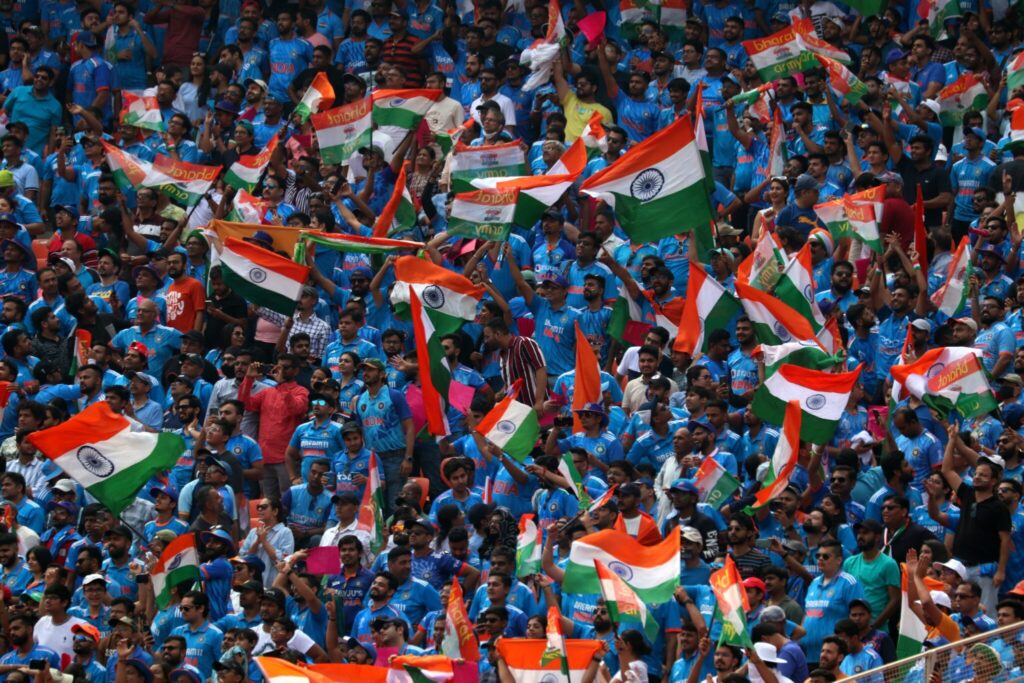
This impressive growth is fueled by a number of factors, including increasing government investment, the development of a multi-disciplinary culture, and widespread adoption of digital technologies. It is also worth noting that the development of the sports sector in India surpasses the development of key sectors such as automotive and tourism.
The growth of the sports market in India is stimulated by several key factors:
Rising Disposable Incomes: With economic growth, India is experiencing a steady increase in household disposable income, which translates into higher spending on entertainment, including sports and recreation.
Growing Health Awareness: Increasing awareness of the health benefits of physical activity is driving interest in sports and recreation.
Government Initiatives: The Government of India is undertaking a number of initiatives to promote sports, such as the Khelo India program, aimed at developing sports infrastructure and supporting young talent. This program, with a budget of $350 million over three years, demonstrates the government’s commitment to the development of sports. In addition to Khelo India, the government has also introduced other programs, such as the Target Olympic Podium Scheme (TOPS), which aims to provide financial and training support for elite athletes.
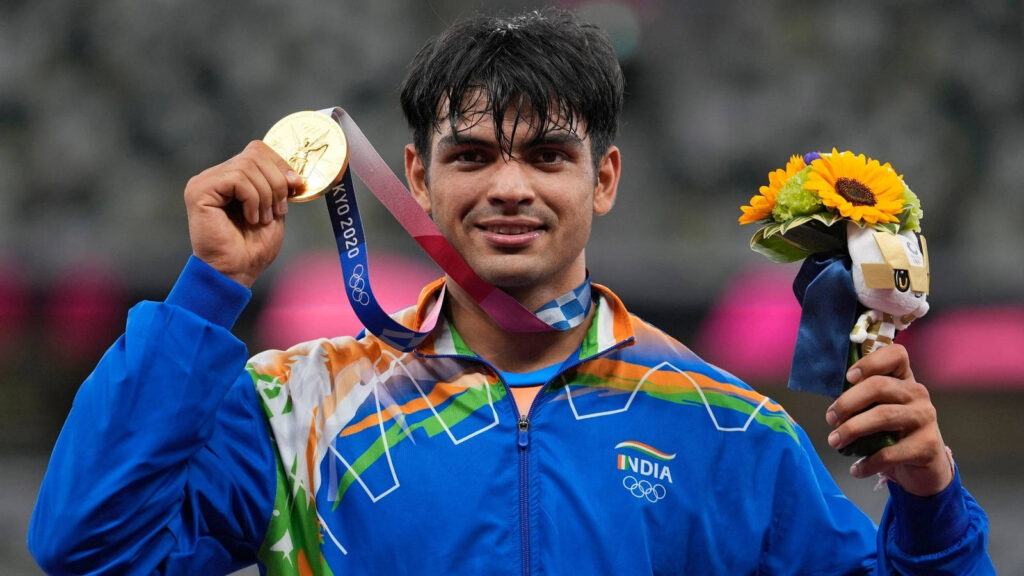
Successes of Indian Athletes: The successes of Indian athletes on the international stage, such as Neeraj Chopra, Olympic gold medalist in javelin throw, inspire young people to play sports and increase interest in disciplines in which India is successful. These successes also contribute to the growing popularity of the athletes themselves, which in turn translates into greater interest from sponsors and the media.
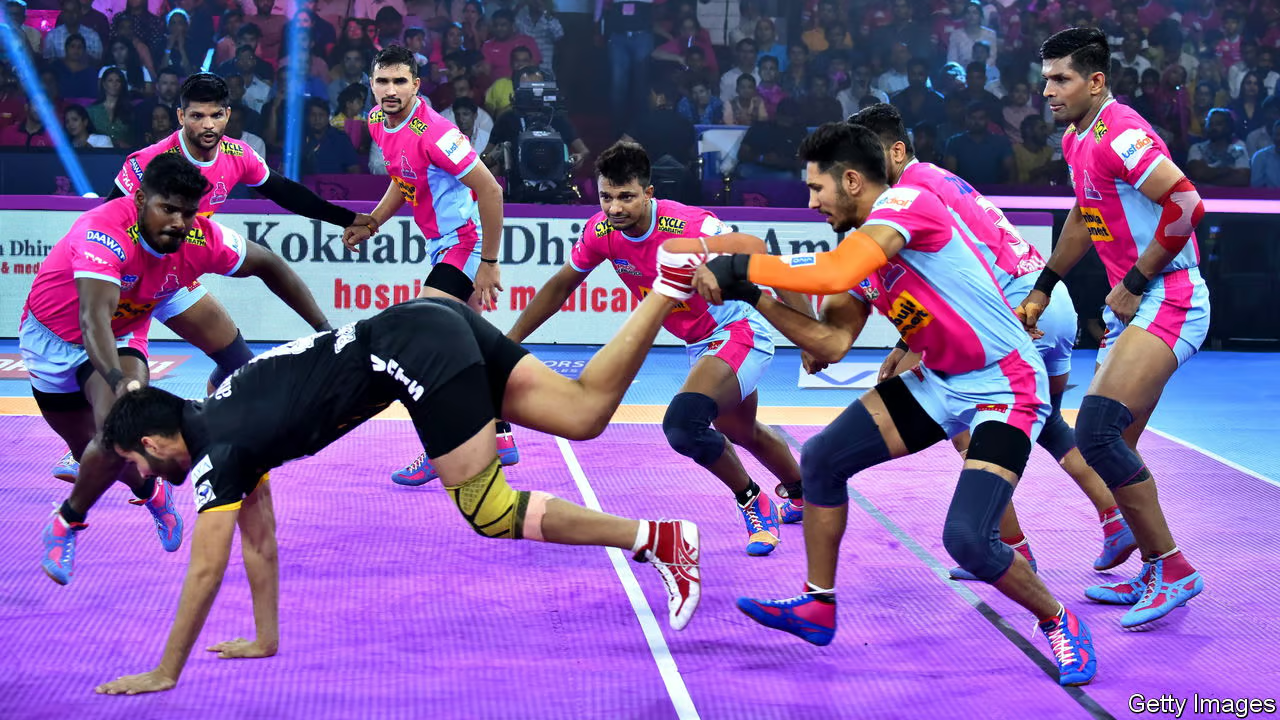
Although cricket remains the most popular sport in India, there is a growing interest in other disciplines. Research shows that 90% of Indian sports fans currently follow multiple disciplines, creating broader investment opportunities in various sports sectors.
Social media plays a key role in sports content consumption in India. 47% of engaged fans actively use social media to follow sports, exceeding the global average of 33%. Platforms such as Facebook, X (Twitter) and Instagram have become virtual stadiums where fans discuss matches, share emotions, and interact with their favorite teams and athletes. The Indian Premier League (IPL) in 2023 recorded a total of 2 billion social media interactions, demonstrating the scale of fan engagement.
With the development of sports in India, the popularity of Indian athletes is also growing. Interestingly, their popularity is on par with that of cricketers and Bollywood stars, indicating a shift in the advertising landscape. Neeraj Chopra, Olympic gold medalist in javelin throw, is currently one of the most recognizable athletes in India. His successes have contributed to the increased interest in athletics in India. Other popular athletes include Hardik Pandya (cricket), Vinesh Phogat (wrestling), and Lakshya Sen (badminton).
Global brands and sports federations recognize the growing potential of the Indian market and are actively involved in its development. Here are some ways in which they are leveraging this potential:
Despite dynamic growth, the Indian sports market faces a number of challenges:
At the same time, the sports market in India offers many opportunities:
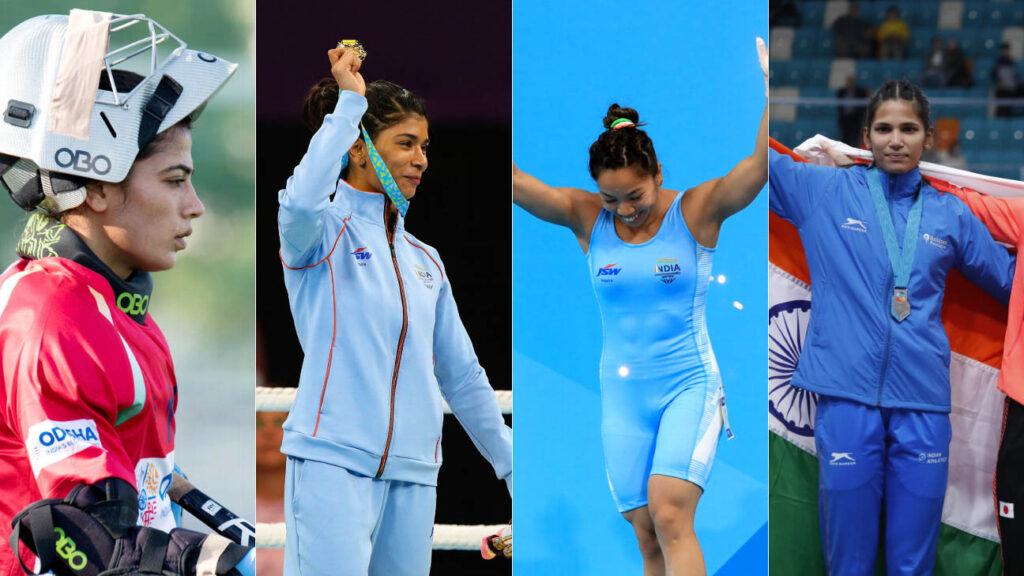
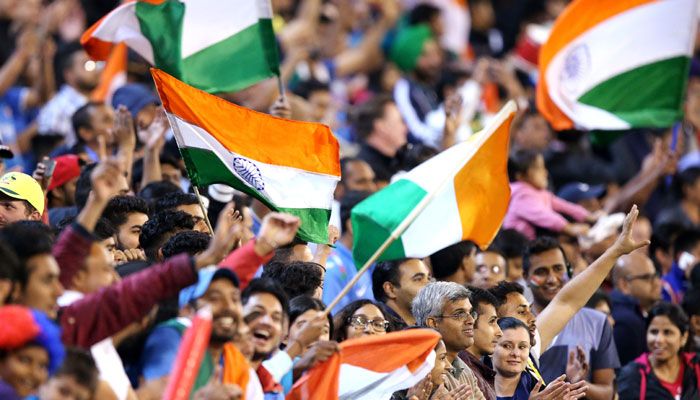
Sport plays an important role in Indian society, contributing to:
Globalization has a significant impact on Indian sport, opening new markets for Indian athletes and attracting international investment. Collaboration with global brands and sports federations contributes to the development of sports in India. Globalization has also affected the growth of imports and exports of sporting goods in India.
Trade liberalization in the 1990s facilitated the entry of international sports brands into the Indian market, leading to an increase in imports of high-quality sports equipment. At the same time, Indian manufacturers have benefited from access to international markets, leading to an increase in exports of sporting goods.
India is on track to become a sports-oriented country. The dynamic growth of the sports market, the growing interest in sports, and the successes of Indian athletes on the international stage demonstrate the enormous potential of this industry. Global brands and sports federations have a key role to play in the further development of sports in India.
There are many opportunities for brands looking to establish themselves in this market, such as sponsoring Indian athletes and teams, investing in sports infrastructure, and marketing sports products and services. At the same time, it is important that these brands support grassroots sports development and promote the sustainable development of various sports disciplines.
Sport in India is not only entertainment, but also an important factor influencing society and the economy. Sport promotes a healthy lifestyle, strengthens national pride and creates new economic opportunities.
